
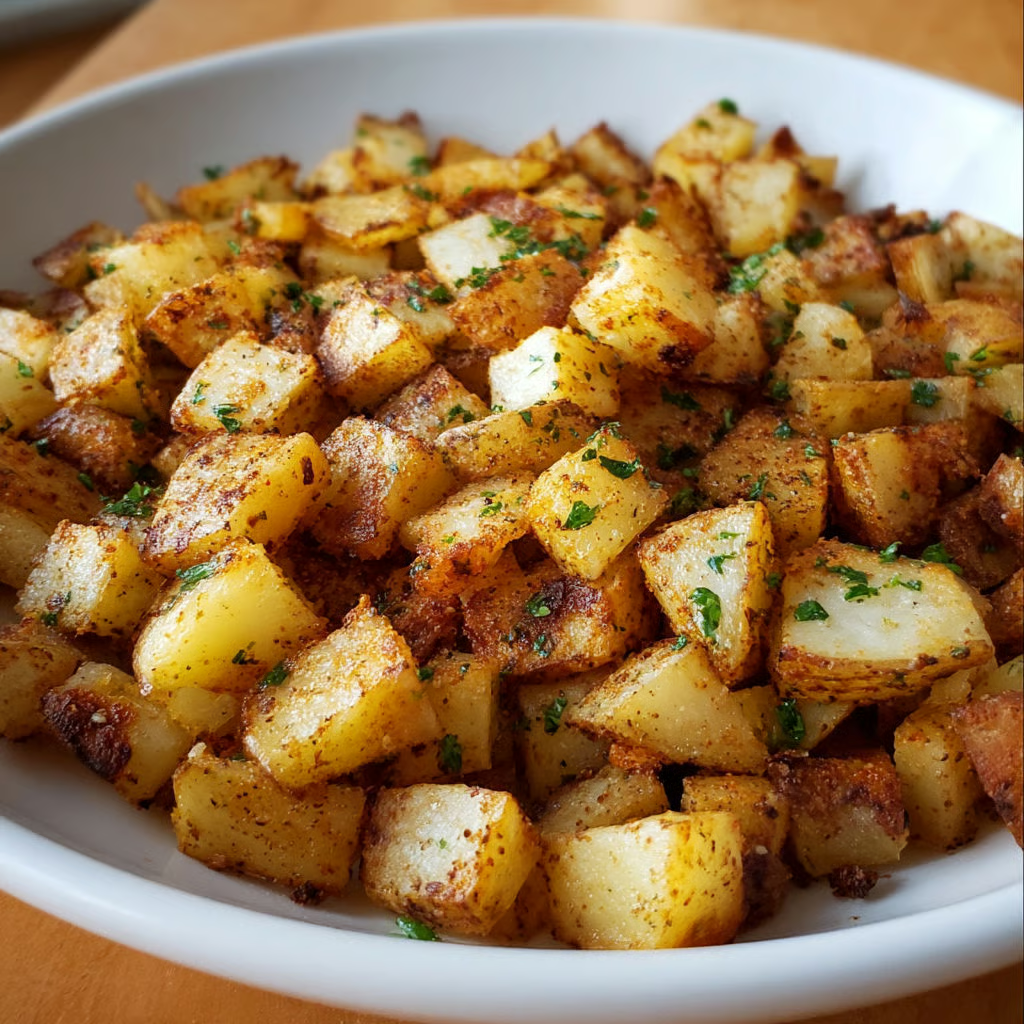
These classic breakfast potatoes deliver the perfect diner-style experience right in your own kitchen: a golden, crispy exterior yielding to a fluffy, tender interior. By utilizing a smart one-pan technique that combines steaming and frying, this recipe eliminates the need for par-boiling while ensuring the potatoes are cooked through and seasoned to perfection.
Why You’ll Love This Recipe
- One-Pan Preparation – By steaming and browning the potatoes in the same skillet, you minimize cleanup without sacrificing texture.
- Pantry Staples – The ingredient list relies on basic produce and standard spices you likely already have on hand.
- Perfect Texture – The cooking method ensures the potatoes are soft on the inside but satisfyingly crunchy on the outside.
- Speedy Cooking – With a cook time of just 15 minutes, this side dish comes together quickly enough for busy weekday mornings.
- Budget Friendly – Russet potatoes are an economical ingredient that transforms into a substantial, filling side dish.
- Highly Versatile – The neutral savory seasoning profile pairs effortlessly with eggs, bacon, sausage, or vegetarian breakfast mains.
Ingredients You’ll Need
Produce
- 4 russet potatoes – The high starch content in Russets yields the fluffiest interior; cut into 1/2-inch cubes.
- 1 tablespoon fresh parsley – Finely chopped; adds a pop of color and a fresh, herbaceous finish to cut through the starch.
Pantry and Fats
- 1 tablespoon unsalted butter – Provides rich flavor and aids in the browning (Maillard reaction) of the potatoes.
- 1 tablespoon vegetable oil – Increases the smoke point of the fat mixture, preventing the butter from burning during the high-heat fry.
- 1/4 teaspoon fine salt – Enhances the natural potato flavor; adjust to taste.
- 1/4 teaspoon ground black pepper – Adds a mild, earthy heat.
- 1/4 teaspoon garlic powder – Provides a savory aromatic depth without the risk of burning fresh garlic.
- 1/4 teaspoon onion powder – Rounds out the savory profile with a subtle sweetness.
Step-by-Step Instructions
1. Prep the Potatoes Wash and peel the potatoes (peeling is optional based on preference). Cut them into uniform 1/2-inch cubes. Uniformity is critical here to ensure every piece cooks at the same rate.
2. Heat the Fats Place a large nonstick skillet over medium-high heat. Add the unsalted butter and vegetable oil. Allow them to melt together until the butter creates a foaming mixture but has not browned.
3. Season and Coat Add the cubed potatoes to the hot skillet, tossing them immediately to coat every surface in the fat mixture. Evenly sprinkle the salt, black pepper, garlic powder, and onion powder over the potatoes.
4. Steam the Interior Cover the skillet with a tight-fitting lid. Let the potatoes cook undisturbed for 3 to 4 minutes. This traps moisture and steams the inside of the potato cubes, ensuring they cook through before the outside burns.
5. Crisp the Exterior Remove the lid to let the steam escape. Continue to cook, stirring frequently with a spatula, for about 10 to 12 minutes. The goal is to brown all sides evenly until the potatoes are golden, crisp, and fork-tender.
6. Garnish and Serve Remove the skillet from the heat. Sprinkle the fresh chopped parsley over the hot potatoes and serve immediately to maintain the crispy texture.
Recipe Notes & Tips
- Potato Variety Matters – Russet potatoes are best for a fluffy interior, while Yukon Golds will result in a creamier, waxier texture that holds its shape better.
- Don’t Overcrowd – Use a large skillet so the potatoes can sit in a mostly single layer; piling them too high causes them to steam rather than fry, leading to soggy potatoes.
- Soaking Option – If you have extra time, soak the cubed potatoes in cold water for 20 minutes to remove excess surface starch, then pat strictly dry; this results in an even crispier crust.
- Lid Management – Do not keep the lid on for longer than the recommended 3-4 minutes, or the potatoes will become mushy and lose their ability to crisp up.
- Testing Doneness – The potatoes are ready when a fork slides into the center of a cube with zero resistance.
Nutritional Information
- Prep Time: 10 minutes
- Cook Time: 15 minutes
- Total Time: 25 minutes
- Servings: 4 Servings
- Calories: Approximately 180-220 kcal per serving (Estimation)
Perfect Pairings
- Fried Eggs – The runny yolk of a sunny-side-up egg acts as a natural, rich sauce for the crispy potatoes.
- Bacon or Sausage – The salty, savory crunch of breakfast meats complements the starchy, mild potato.
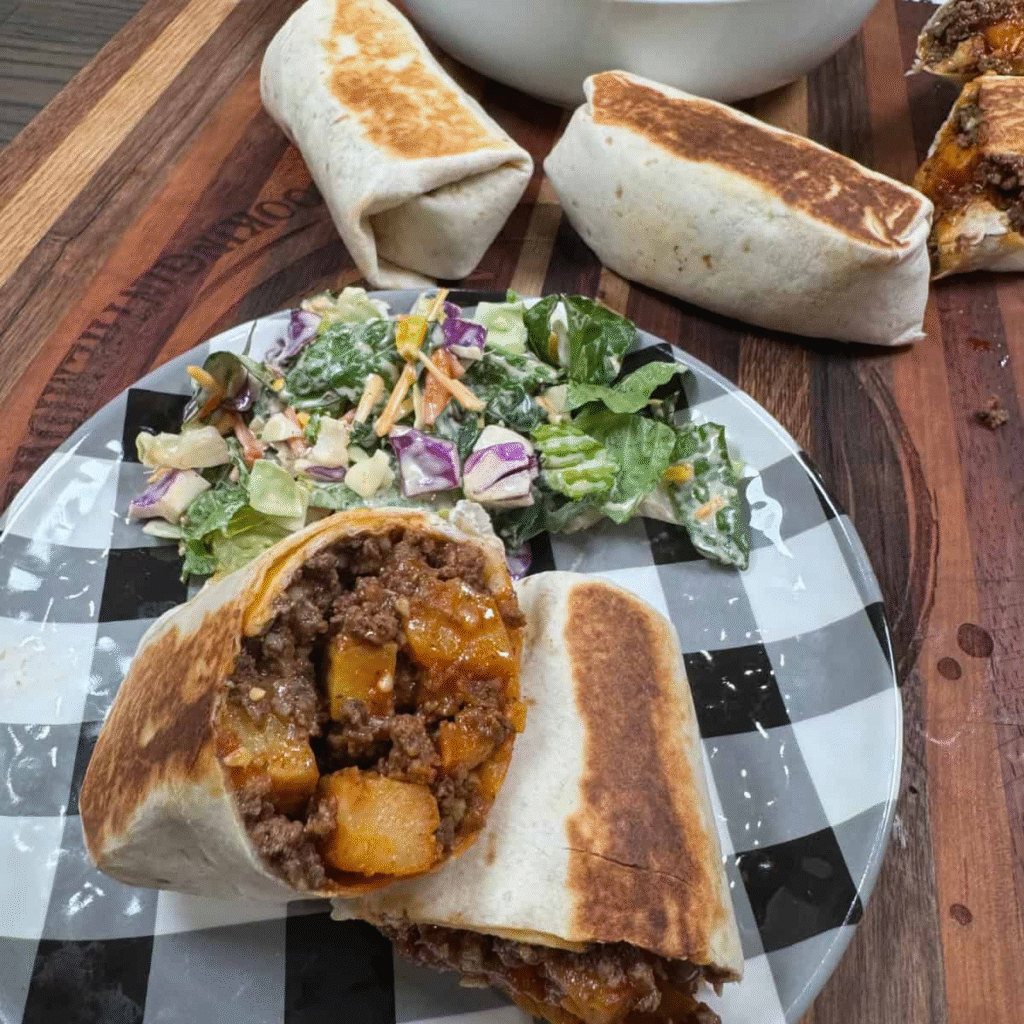
- Breakfast Burritos – These potatoes are the perfect size to use as a filling inside a tortilla with scrambled eggs and cheese.
- Ketchup or Hot Sauce – The acidity and heat of these condiments cut through the richness of the butter and starch.
Ideal Occasions
- Sunday Brunch – A classic staple that rounds out a full spread of pancakes, eggs, and fruit.
- Breakfast for Dinner – Quick enough to whip up on a weeknight when serving brinner (breakfast for dinner).
- Camping Trips – This recipe works exceptionally well in a cast-iron skillet over a camp stove or fire.
- Holiday Mornings – A crowd-pleasing side dish for Christmas or Thanksgiving morning breakfasts.
Storage & Serving Tips
- Refrigeration – Store leftovers in an airtight container in the refrigerator for up to 3-4 days.
- Reheating – Avoid the microwave as it makes potatoes soggy. Reheat in a skillet with a little oil or in an air fryer at 375°F for 5 minutes to restore crispness.
- Freezing – Cooked potatoes can be frozen for up to 1 month, though the texture may change slightly; reheat directly from frozen in a hot oven.
- Serving Temperature – These are best served piping hot right out of the pan; as they cool, the starch retrogrades and they become chewier.
Creative Variations to Try
- Potatoes O’Brien – Add diced green bell peppers and onions during the frying stage for a classic veggie-loaded variation.
- Spicy Kick – Add 1/2 teaspoon of smoked paprika and a pinch of cayenne pepper to the spice blend for a smoky heat.
- Cheesy Potatoes – In the last minute of cooking, sprinkle 1/2 cup of shredded cheddar cheese over the potatoes and cover until melted.
- Sweet Potato Swap – Substitute half or all of the russets with sweet potatoes; note that sweet potatoes may brown faster due to higher sugar content.
Troubleshooting Common Issues
- Potatoes are Mushy – You likely overcrowded the pan or left the lid on too long, trapping too much moisture.
- Burnt Outside, Raw Inside – The heat was too high. Medium-high is a balance; if they brown too fast, lower the heat to medium to allow the center to cook.
- Sticking to Pan – The pan wasn’t hot enough when potatoes were added, or not enough oil was used. Ensure the fat is shimmering before adding the cubes.
- Bland Taste – Potatoes require a surprising amount of salt. If they taste flat, sprinkle a pinch of finishing salt right before serving.
Why This Recipe Works
This recipe succeeds because it addresses the two conflicting requirements of cooking potatoes: softening the starch and crisping the surface. Raw potatoes are dense and high in water. By covering the pan initially, you trap steam which penetrates the potato cubes, gelatinizing the starches and softening the pectin structure quickly. Once the lid is removed, the remaining water evaporates, allowing the surface temperature of the potato to rise above the boiling point (212°F). This triggers the Maillard reaction—browning caused by the interaction of amino acids and reducing sugars—which creates that desirable golden, crispy crust. The blend of butter and oil is chemically smart: butter provides flavor solids, while oil prevents the butter’s milk solids from burning at the high heat required for crisping. Nutritional Note: While a source of carbohydrates, potatoes provide potassium and Vitamin C.
Final Thoughts
Easy Breakfast Potatoes prove that you don’t need a deep fryer or complicated techniques to achieve restaurant-quality results. With just a skillet and a few seasonings, you can transform a humble root vegetable into the star of the breakfast table. For a lighter version, you can reduce the butter and use a non-stick cooking spray, though the rich flavor and browning may be slightly more subdued.